Salt Lake City, Utah
Manufacturing Productivity That
Pays For Itself
Helping manufacturing, warehousing, and construction businesses identify operational bottlenecks, improve labor performance, and increase productivity through objective, confidential on-site evaluations.
— 01 / Introduction
Where I Am Coming From
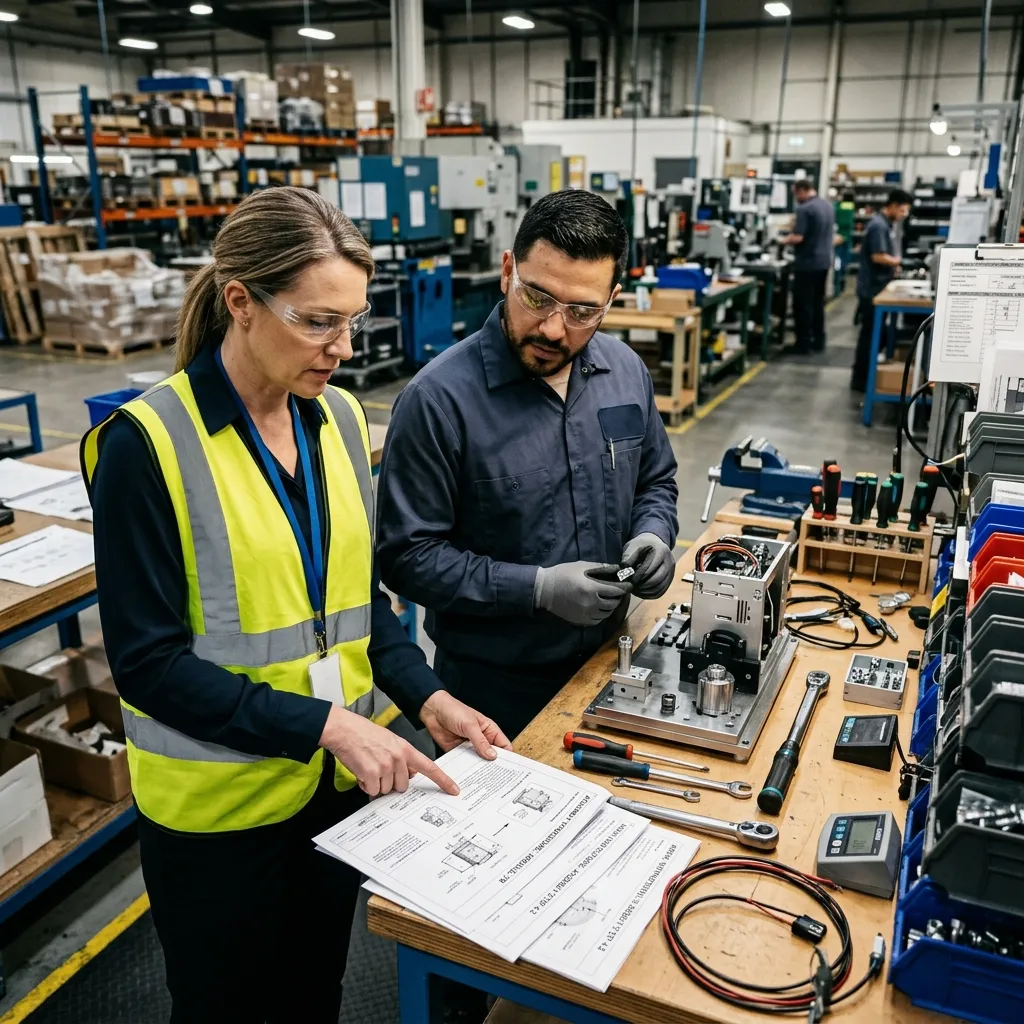
I’m Jack Greene, founder of Productivity Jack, based in Salt Lake City, Utah. For years, I’ve worked with manufacturing, warehousing, and construction companies to improve productivity, reduce costs, and solve operational challenges through direct observation and practical analysis.
Sometimes a business simply needs an experienced outside perspective. Whether you’re working toward a specific objective, addressing a persistent problem, or looking for opportunities to improve performance, a fresh set of experienced eyes can often uncover what daily routines overlook.
One principle has guided my work throughout my career:
“Direct observation doesn’t have to be formal or complicated just walk the floor and observe. Without prior notice. Once a visit is announced, workstations are often cleaned, adjusted, and temporarily changed, making it difficult to see how operations truly perform.”

— 02 / Reasons
Why Call Me In?
01
Independent Observation
An outside perspective helps identify inefficiencies and opportunities that are often overlooked by teams working within the operation every day.
02
Specialized Expertise
Benefit from decades of experience in productivity improvement, work measurement, labor utilization, and operational performance across manufacturing, warehousing, and construction environments.
03
Targeted Objectives
Whether your goal is reducing costs, improving throughput, increasing capacity, or resolving a specific operational issue, every evaluation is tailored to your priorities.
04
Confidential Evaluation
Every assessment is conducted with complete professionalism and strict confidentiality, ensuring your operational information remains secure throughout the engagement.
— 03 / Seven Pillars
The Seven Critical Levers
The foundation of productivity improvement lies in understanding the systems that drive operational performance. These seven disciplines help establish effective labor standards, improve workflow, reduce unnecessary costs, and support long-term operational efficiency.
The seven pillars below represent the core areas I evaluate when assessing manufacturing, warehousing, and construction operations.
01 / WORK MEASUREMENT
Work Measurement
Establish accurate labor standards by measuring actual work performance, identifying achievable production rates, and creating reliable benchmarks for continuous improvement.
02 / METHODS
Methods
Evaluate current work practices to eliminate unnecessary motion, simplify processes, and improve efficiency without compromising quality or safety.
03 / MANNING
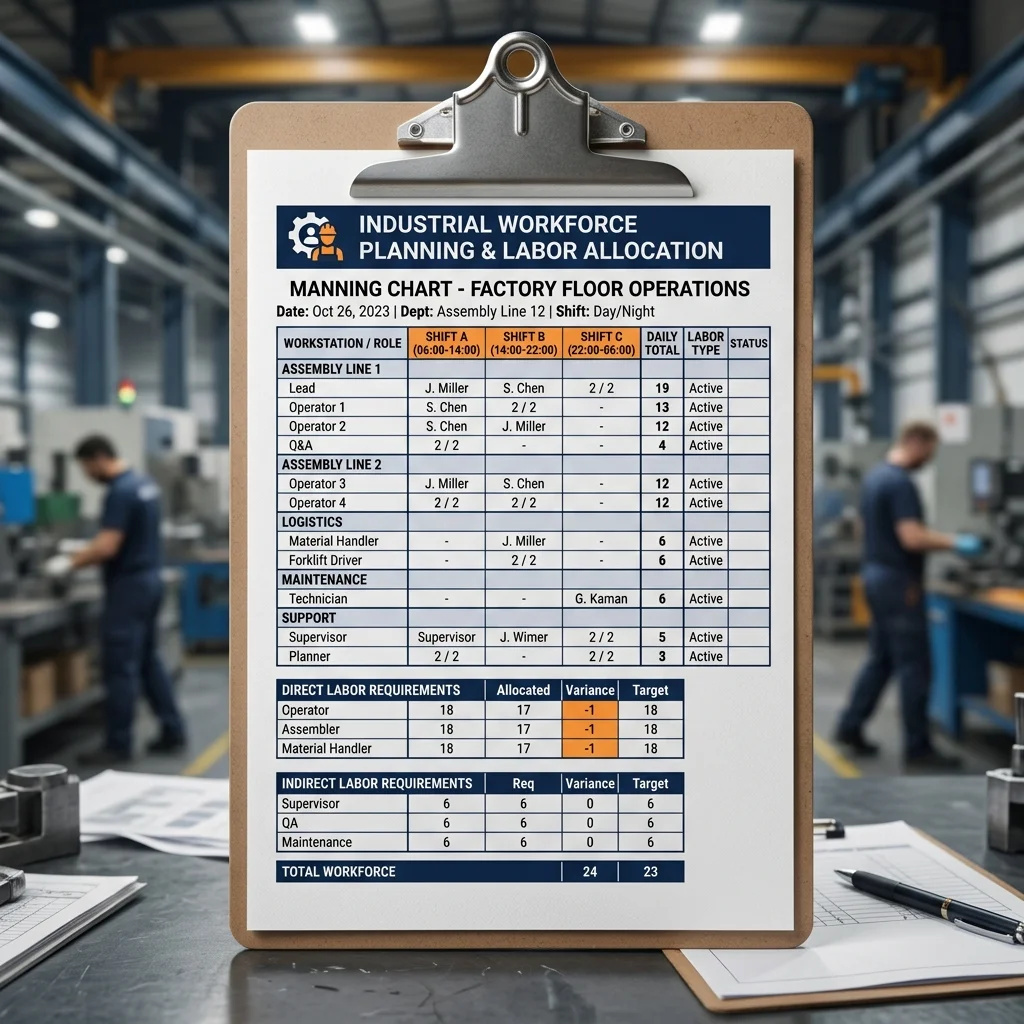
Manning
Determine the appropriate staffing levels for each operation by balancing labor resources with production requirements and operational capacity.
04 / COST STANDARDS
Cost Standards
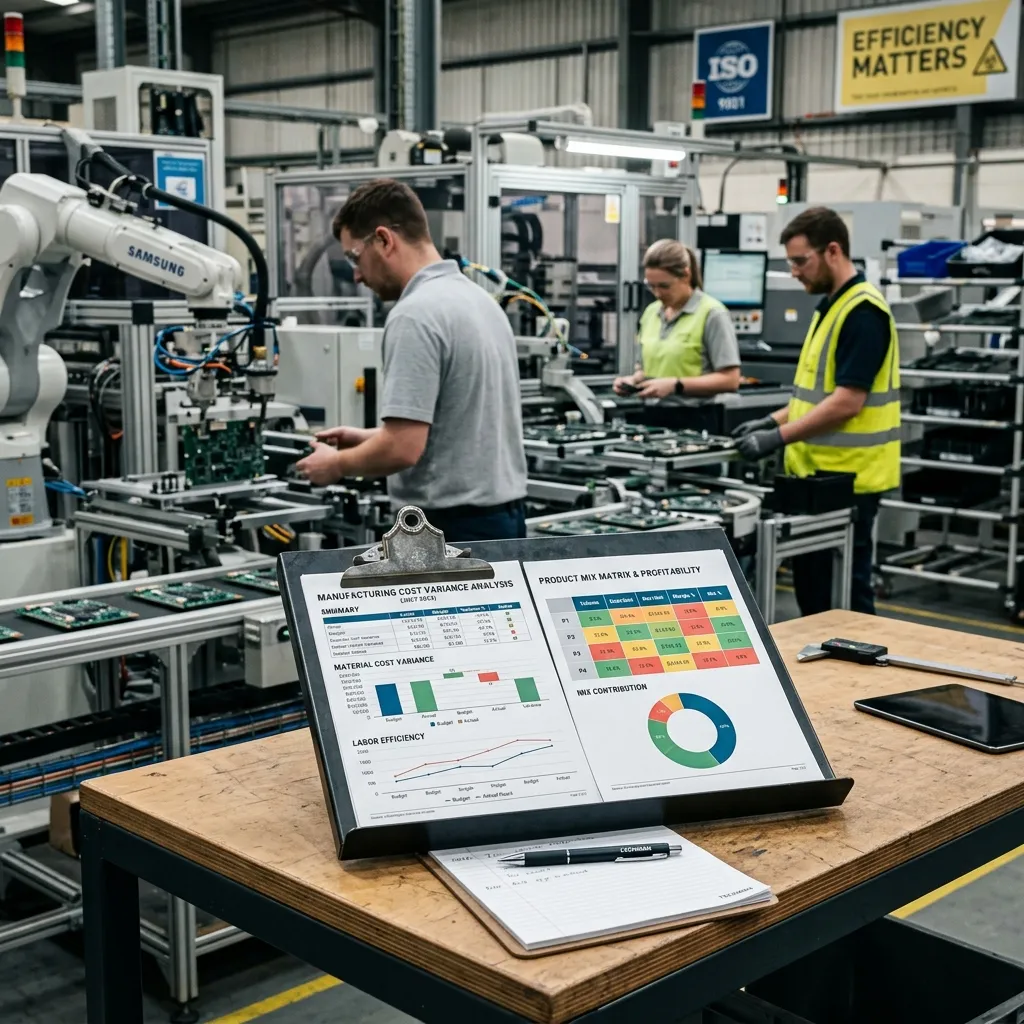
Develop realistic labor and production standards that support accurate costing, budgeting, and performance measurement.
05 / COST REDUCTION
Cost Reduction
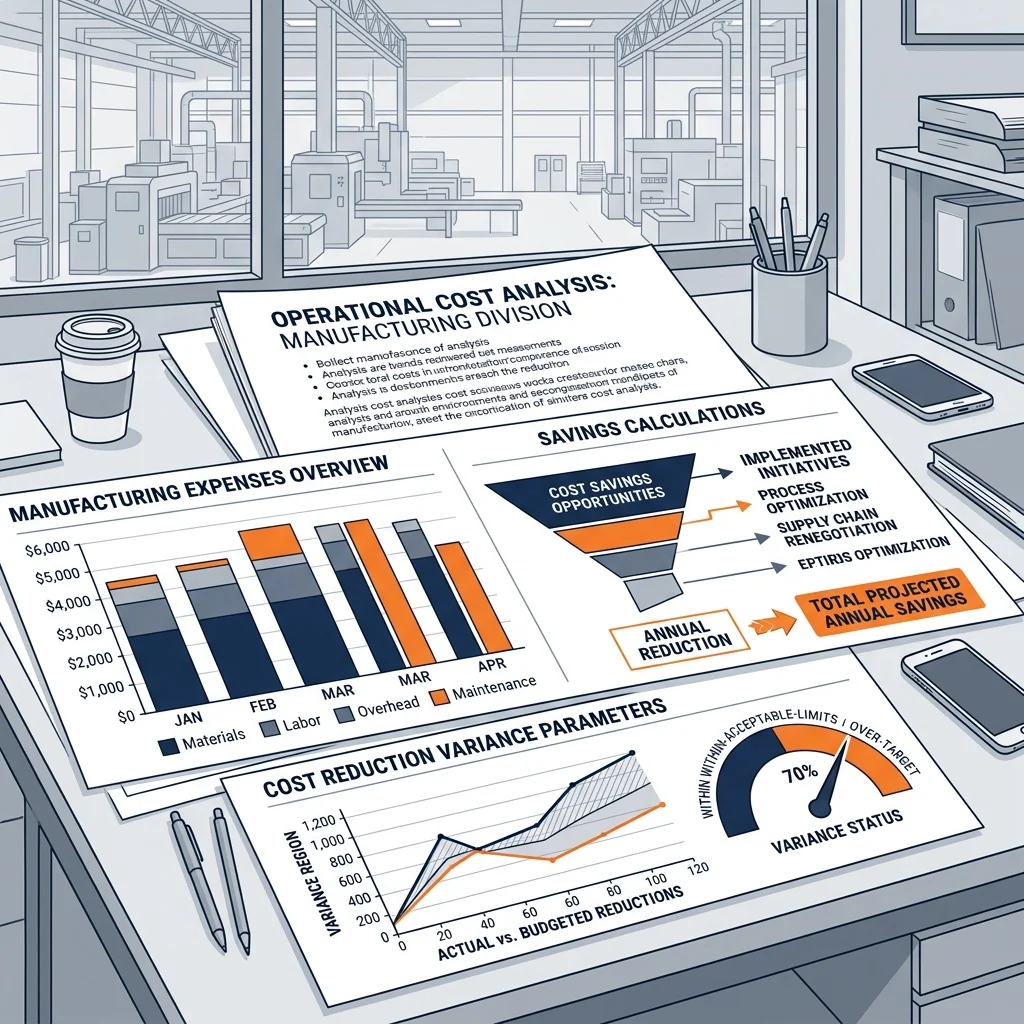
Identify practical opportunities to reduce operating costs through improved processes, labor utilization, workflow optimization, and waste reduction.
06 / CAPITAL
Capital
Evaluate equipment investments and capital improvement opportunities to ensure they deliver measurable operational and financial value.
07 / LAYOUT
Layout
Improve facility layouts to streamline material flow, reduce unnecessary travel, eliminate bottlenecks, and support more efficient operations.
— 04 / Process
Why Call Me In?
How Jack coordinates direct timing and diagnostic checks on the active floor.
Operational bottlenecks cannot be solved from a remote spreadsheet.
Stage 01
Observe
Walk the floor. Ask the 5 W’s — who, what, where, when, why — to map actual material flow.
Stage 02
Measure
Perform timing studies on active operators and bottleneck machinery to establish standard outputs.
Stage 03
Diagnose
Examine process transfer points, buffer inventory accumulation, and calculate non-productive crew delays.
Stage 04
Recommend
Establish descriptive performance logs and formulate layout or scheduling adjustments that resolve constraints.
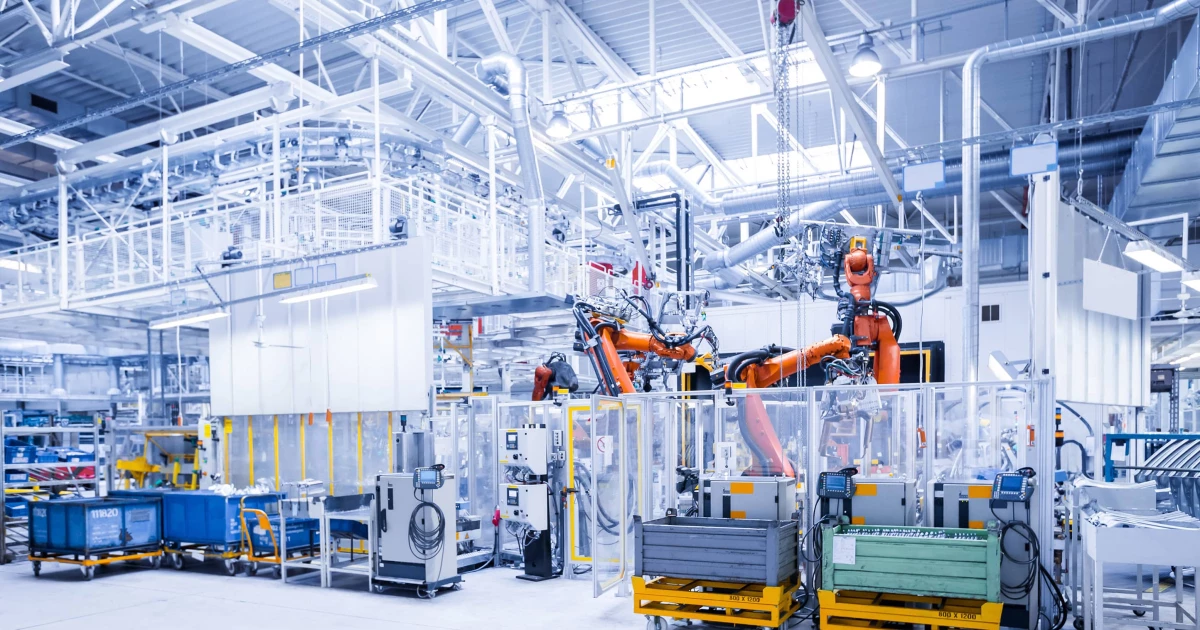
— 05 / Focus Areas
Operational Focus Categories
Core industrial disciplines evaluated through unannounced direct timings,
floor routing moves, and specification cost audits.
MEASUREMENT AND LABOR
Time
Study
Measure actual work cycles to establish accurate labor standards, identify productivity gaps, and create realistic performance expectations.
MEASUREMENT AND LABOR
Bottleneck
Measurement
Identify production constraints by measuring where work accumulates, allowing throughput to improve and delays to be reduced.
MEASUREMENT AND LABOR
Manning
Evaluate staffing levels to ensure labor resources are aligned with production requirements and operational capacity.
MEASUREMENT AND LABOR
Skilled Labor
Utilization
Keep skilled employees focused on high-value work by removing unnecessary tasks that reduce productivity and maximize efficiency.
MEASUREMENT AND LABOR
Work Simplification
Review workstation methods to eliminate unnecessary motion, reduce worker fatigue, and improve productivity without compromising quality.
Capacity and Flow
In-Process Material
Build-Up
Identify where unfinished materials accumulate between operations to locate bottlenecks and improve production flow.
Capacity and Flow
Product Mix
Capacity
Evaluate how different product mixes affect production speed, equipment utilization, and overall manufacturing capacity.
Capacity and Flow
Production
Capacity
Determine realistic production output by evaluating cycle times, scheduling practices, and operational constraints.
Capacity and Flow
Changeover
Optimization
Reduce setup time and changeover losses to maximize available production hours and improve equipment utilization.
Capacity and Flow
Warehouse Flow
Optimize warehouse layouts, travel paths, loading docks, and inventory movement to improve efficiency while reducing handling time.
COST AND CAPITAL
Cost
Standards
Develop measurable labor and production standards that support accurate costing, budgeting, and performance analysis.
COST AND CAPITAL
Cost Reduction
Audits
Identify cost-saving opportunities through structured operational reviews, process improvements, and performance measurement.
COST AND CAPITAL
Specification
Change Analysis
Evaluate how engineering or product specification changes affect labor requirements, production time, and overall operating costs.
COST AND CAPITAL
Capital
Justification
Assess equipment purchases and capital investments to ensure they solve genuine operational challenges and deliver measurable returns.
COST AND CAPITAL
Make vs. Buy
Compare in-house production with outsourcing options to determine the most efficient and cost-effective approach.
LAYOUT AND AUTOMATION
Plant
Layout
Design department layouts that improve workflow, reduce unnecessary travel, and support greater operational efficiency.
LAYOUT AND AUTOMATION
Facility
Planning
Plan building space, equipment placement, and future expansion while maintaining safe and efficient operations.
LAYOUT AND AUTOMATION
Material
Handling
Evaluate material movement systems to reduce handling costs, improve travel routes, and increase productivity.
LAYOUT AND AUTOMATION
Automation
Evaluation
Determine where automation will provide the greatest operational benefit by addressing real production constraints.
LAYOUT AND AUTOMATION
Equipment
Tagging
Maintain accurate equipment inventories and utilization records to support maintenance planning and operational control.
CONSTRUCTION AND REPORTING
Field
Measurement
Measure field productivity and establish reliable performance metrics for construction crews and remote operations.
CONSTRUCTION AND REPORTING
Construction Piece
Rates
Develop structured labor incentive systems that encourage productivity while maintaining quality and cost control.
CONSTRUCTION AND REPORTING
Delay & Interference
Tracking
Track non-productive time caused by material shortages, scheduling conflicts, equipment delays, or crew interference to identify opportunities for improvement.
CONSTRUCTION AND REPORTING
Reporting
Systems
Develop practical reporting systems that give managers timely, accurate, and actionable operational information.
CONSTRUCTION AND REPORTING
Direct
Observation
Evaluate active projects through firsthand observation to understand actual working conditions and identify opportunities for increased productivity.
— 06 / Toolkit
Specialized Management Tools
The following management tools are used to evaluate productivity, improve operational performance, reduce costs, and support better business decisions.
01
Bottleneck Measurement
Measure production constraints to improve throughput and maximize operational capacity.
02
Make vs. buy
Compare internal production costs with outsourcing alternatives to support informed business decisions.
03
Short interval scheduling
Monitor production throughout the day to identify delays early and maintain workflow.
04
Work simplification
Improve work methods by eliminating unnecessary motion and increasing efficiency.
05
Work measurement
Establish accurate labor standards using proven time study techniques.
06
Methods control
Standardize work practices to improve consistency, quality, and productivity.
07
Manning analysis
Determine appropriate staffing levels based on workload and production requirements.
08
Cost standards
Develop measurable production standards that support accurate costing and performance evaluation.
09
Cost reduction
Identify practical opportunities to reduce operating costs without sacrificing productivity or quality.
10
Capital justification
Evaluate equipment purchases and facility investments based on measurable operational improvements.
11
Plant layout
Improve department flow, material movement, and equipment positioning to support efficient operations.
12
Material handling
Reduce unnecessary handling, travel time, and transportation costs throughout the facility.
13
Spec change analysis
Measure the operational impact of engineering and product specification changes before implementation.
14
Automation evaluation
Determine where automation provides the greatest return by focusing on actual production constraints.
15
Reporting systems
Develop practical reporting methods that provide managers with timely operational information.
— 07 / Field Insights
Floor Wisdom & Insights
The most valuable lessons in productivity come from observing real operations. These insights reflect practical experience gained from years of working with manufacturing, warehousing, and construction businesses.
— Management
#01
Ask the 5 W's
Who, What, Where, When, and Why
The five W’s provide the foundation for understanding any operation. Asking these questions throughout the production process helps uncover inefficiencies, improve workflow, and identify opportunities for better performance.
— Warehousing
#03
In-Process Material Build-Up
Locating the Constraints
Material accumulation between operations often points to a production bottleneck. Identifying where work begins to stack up is the first step toward improving workflow and increasing throughput.
— Management
#05
Product Pruning
Discontinuing Low-Volume Products
Not every product contributes equally to profitability. Reviewing low-volume or low-margin product lines can simplify operations, reduce costs, and improve overall efficiency.
— Management
#08
Manufacturing Capacity and Product Mix
Evaluating Capacity Constraints
Production capacity is directly influenced by product mix. Understanding how different products affect throughput allows managers to make better production and scheduling decisions.
— Management
#09
Production-Line Changeovers
The Hidden Cost of Setup Time
Every changeover consumes valuable labor and production time. Reducing setup time increases equipment availability and improves overall operating efficiency.
— Management
#10
Surgeons and Skilled Labor
Maximizing Skilled Employee Productivity
Highly skilled employees should spend their time performing skilled work. Removing routine or non-essential tasks allows them to focus on the activities that create the greatest value.
— Case Study Tenet
The Lincoln Electric Productivity Model
James Lincoln founded Lincoln Electric in Cleveland, a company widely recognized as one of the world’s most productive manufacturers from the 1930s through at least the 1970s. Year after year, the company increased productivity, reduced costs across the organization, and expanded its market share.
Companies from around the world wanted to understand Lincoln Electric’s success. Mr. Lincoln openly shared his methods, yet very few organizations chose to adopt them. His philosophy was built on two simple but unwavering principles.
Principle 01
No employee lost a job because of increased productivity.
Principle 02
Everyone (except senior management) shared in the company’s success through profit sharing, with bonuses that often exceeded annual wages.
— 08 / Publications
Books by Jack Greene
My books explain the fundamental principles of productivity improvement and provide practical methods for applying them in manufacturing, warehousing, construction, and industrial operations.
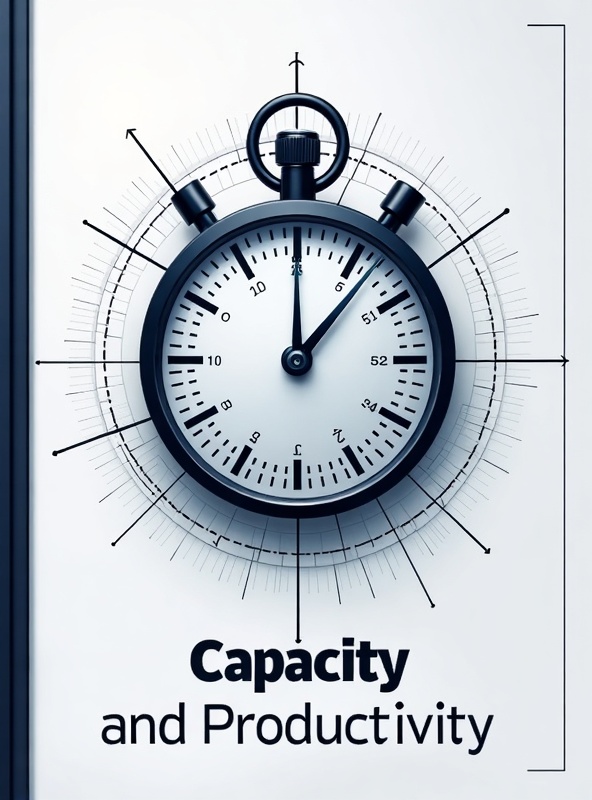
Jack Greene
Time and Motion Study: For Capacity and Productivity
Learn how to establish accurate work standards, measure production capacity, and improve operational performance through proven time study techniques.

Jack Greene
Cost Reduction: In Business Management
A practical guide to developing structured cost reduction programs, improving profitability, evaluating investments, and creating effective employee incentive systems.
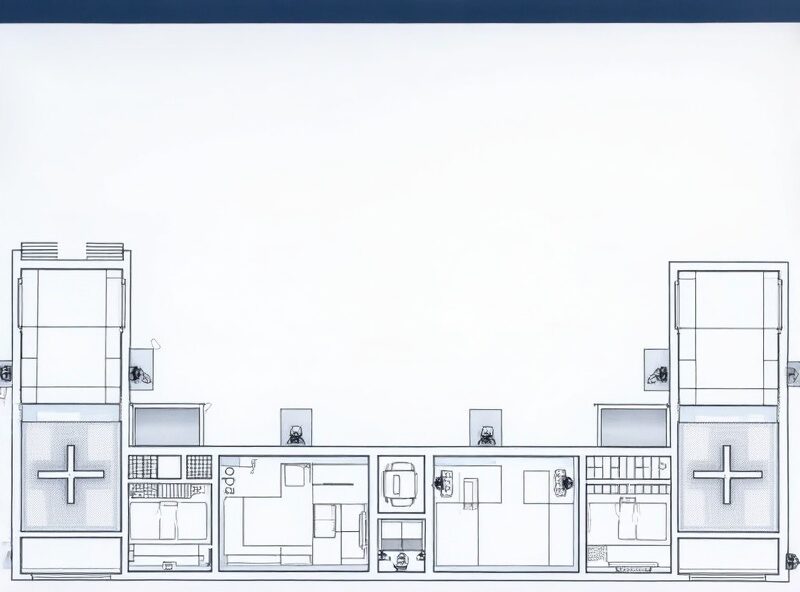
Jack Greene
Plant Layout and Facility Planning: Edition Two
Explore practical approaches to facility planning, department layout, equipment placement, and material flow for manufacturing, warehousing, and logistics operations.
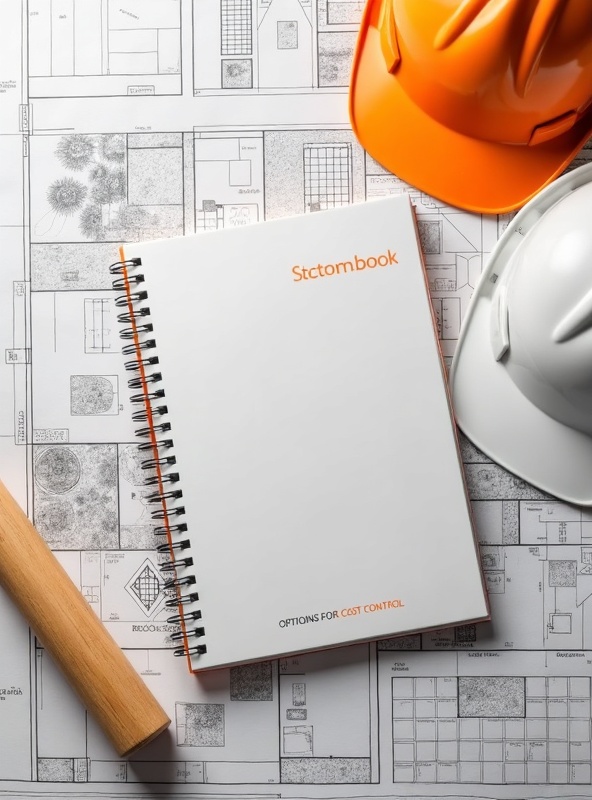
Jack Greene
Construction Piece Rates: Options for Cost Control
Learn how work measurement, labor standards, and structured incentive programs can improve productivity and cost control in construction operations.
— 09 / Engagement
Ways Productivity Jack Can Help
Every business faces unique operational challenges. These consulting services are designed to identify opportunities for improvement, increase productivity, and support better operational performance.
Category 01
Operational Observation
On-site operational reviews that evaluate workflow, material movement, layout efficiency, and indirect labor utilization.
Category 02
Work Measurement Review
Evaluate direct and indirect labor performance, establish accurate work standards, and improve productivity through practical measurement techniques.
Category 03
Bottleneck and Capacity Study
Identify production constraints through detailed time studies and operational analysis to maximize equipment utilization and throughput.
Category 04
Manning and Methods Review
Evaluate staffing levels and work methods to improve labor utilization, balance workloads, and increase operational efficiency.
Category 05
Cost Reduction Review
Identify practical cost-saving opportunities through operational analysis, process improvements, and profitability evaluations.
Category 06
Plant Layout Review
Review department layouts, equipment placement, and material flow to improve productivity and reduce unnecessary movement.
Category 07
Warehouse Productivity Review
Evaluate picking operations, travel routes, inventory flow, and warehouse layouts to improve overall efficiency.
Category 08
Construction Reporting Review
Develop measurement systems and reporting methods that improve productivity, accountability, and performance across construction projects.
— 10 / FAQ
Frequently Asked Questions
What types of businesses does Productivity Jack work with?
Productivity Jack works with manufacturing plants, warehousing facilities, distribution centers, and construction operations seeking to improve productivity, reduce costs, and optimize operational performance.
When should a company bring in a productivity consultant?
The best time to bring in a productivity consultant is when your operation is facing bottlenecks, rising costs, labor inefficiencies, workflow challenges, or preparing for growth. An independent evaluation often reveals opportunities that are difficult to identify from within the organization.
Can Jack review both direct and indirect labor?
Yes. Jack evaluates both direct and indirect labor to identify opportunities for improving productivity, labor utilization, and overall operational performance.
Does Jack work with warehouses as well as manufacturing plants?
Yes. Jack works with manufacturing facilities, warehouses, distribution centers, and construction operations.
Can Jack assist with plant layout and material flow?
Absolutely. Plant layout, material handling, and workflow optimization are key areas of every operational evaluation.
Can Jack evaluate bottlenecks and production capacity?
Yes. Through direct observation and work measurement, Jack identifies production constraints, evaluates capacity, and recommends practical improvements.
Can Jack help with cost reduction and cost standards?
Yes. Jack develops practical cost reduction strategies, establishes labor standards, and helps businesses improve profitability through measurable operational improvements.
Can Jack assist with construction reporting and piece-rate systems?
Yes. Jack works with construction companies to develop reporting systems, productivity measurement methods, and structured piece-rate programs.
Is every consultation confidential?
Absolutely. Every engagement is handled with complete confidentiality. Operational information, facility details, and performance data are never shared with third parties.
How do I request an operational audit?
Simply complete the inquiry form below or contact Jack directly. After discussing your operation and objectives, the next step is scheduling an on-site operational evaluation.
— 11 / Consultation
Request an Operational Audit
Every operation has opportunities for improvement. Whether you’re facing production bottlenecks, labor challenges, workflow inefficiencies, or planning an expansion, an on-site operational evaluation provides practical recommendations that help improve productivity and reduce costs.
Complete the inquiry form below with a brief overview of your operation and the challenges you’d like to address. Jack will personally review your inquiry and contact you to discuss the next steps.
STRICT CONFIDENTIALITY
Every operational evaluation is conducted with complete professionalism and strict confidentiality. Your operational information, facility details, and business data remain private and are never shared with third parties.
Information Requested
- To help prepare for your operational review, please include:
- Type of manufacturing, warehousing, or construction operation
- Estimated number of direct and indirect employees
- Your primary operational challenges or objectives (such as work measurement, plant layout, labor utilization, cost reduction, production capacity, or facility expansion)
Information Requested
- Location: Salt Lake City, Utah
- Telephone: 801-842-3584
- Email: bigjack@productivityjack.com
Operational Inquiry Form
Complete the fields below to submit your operational concerns. All fields are required.